

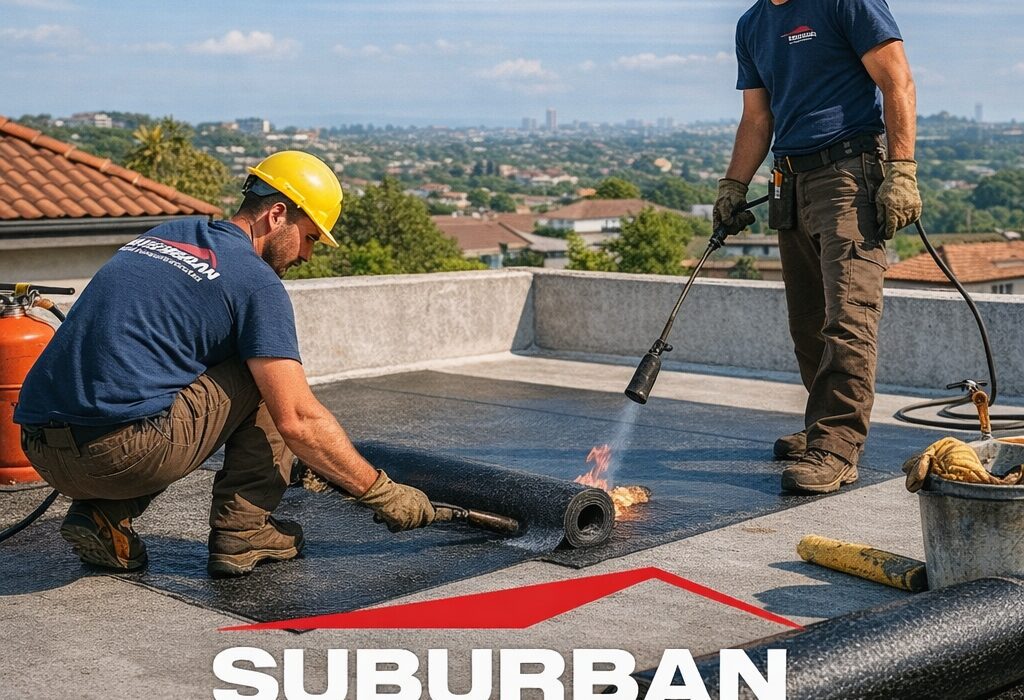
When it comes to protecting buildings in Johannesburg from water damage, waterproofing is one of the most essential investments you can make. Strong waterproofing systems help safeguard homes, commercial buildings, and industrial spaces from rain ingress, dampness, and moisture‑related deterioration — all of which are common concerns in the varied climate of Gauteng.
In this article, we’ll break down what waterproofing is, why it’s critical in Johannesburg, common techniques used, and how property owners can ensure a long‑lasting, effective waterproofing solution.
Why Waterproofing Is Important in Johannesburg
Johannesburg may not sit on the coast, but it still experiences seasonal rains — especially during the summer months. Heavy downpours can overwhelm roofs, balconies, basements, and external walls, leading to:
Water leaks
Mould and mildew
Structural damage
Interior staining and decay
Damaged electrical fixtures and insulation
Because rainwater can enter through weak points in a building envelope, proper waterproofing prevents moisture from penetrating critical areas. This not only protects structural integrity but also improves indoor comfort and reduces long‑term expenses on repairs.
Common Areas That Need Waterproofing
Effective waterproofing isn’t limited to roofs alone. Key areas include:
1. Roof Structures
Roofs are the first line of defense against rain. Waterproofing systems keep water from entering roofing membranes, joints, and flashings.
2. Balconies and Terraces
These horizontal surfaces collect water. Without proper waterproofing, water can seep into slab edges and walls.
3. Basements and Foundations
Water pressure from soil can cause seepage into basements. Waterproofing prevents damp from rising through foundation walls.
4. Bathrooms and Wet Areas
In residential and commercial bathrooms, waterproofing beneath tiles and at wall junctions stops leaks and prevents moisture buildup.
Types of Waterproofing Techniques Used Today
Different parts of a building may require different methods. Some common systems used in Johannesburg include:
Waterproofing Membranes
These are flexible layers applied to surfaces to form a continuous barrier against water. They may be torch‑on, self‑adhesive, or liquid applied.
Liquid Waterproofing Coatings
Liquid products are brushed, rolled, or sprayed onto surfaces to create a seamless membrane that adapts to surface contours and joints.
Cementitious Systems
Common in wet areas, this method involves applying a cement‑based waterproofing slurry that becomes part of the substrate.
Injection Grouting
Used to seal cracks or voids in masonry and concrete, this method involves injecting a waterproof compound into affected areas.
Drainage Systems
Proper drainage helps divert rainwater away from walls and foundations, reducing water pressure and preventing leaks.
Signs Your Property Needs Waterproofing in Johannesburg
Not sure if waterproofing is necessary? Watch for these common signs:
Persistent damp patches
Mould growth on walls or ceilings
Cracked or peeling paint
Water dripping during rain
Floor tiles lifting or grout cracking
A professional inspection can determine the extent of moisture issues and recommend the best waterproofing approach.
Long‑Term Benefits of Effective Waterproofing
Investing in quality waterproofing brings a range of benefits:
Enhanced Structural Durability
Water damage accelerates wear and decay. Waterproofing helps extend the life of concrete, metal, wood, and other building materials.
Improved Indoor Comfort
A dry home or workspace is healthier, more comfortable, and free from the health risks associated with mould.
Lower Maintenance Costs
By preventing leaks and dampness, waterproofing reduces the need for repeated repairs and renovations.
Increased Property Value
Properties with certified waterproofing systems are more attractive to buyers and tenants.
Choosing the Right Waterproofing Solution
Every property is unique, and waterproofing must be tailored to specific surfaces, usage, and environmental conditions.
Before selecting a system, consider:
The area to be waterproofed (roof, wall, balcony, basement)
The building’s age and condition
Expected weather conditions
Whether additional repair work is needed before waterproofing
A professional installer will inspect your property, recommend the right system, and ensure perfect execution so it performs for years to come.
Protect Your Johannesburg Property
Whether you’re building a new structure or maintaining an existing one, waterproofing is essential for lasting protection against moisture and rain damage. With the right system and proper installation, your property can remain strong, dry, and comfortable — no matter how heavy the downpour.
By understanding what waterproofing involves, when it’s needed, and how it benefits your home or business, you can make informed decisions that protect your investment.
3 Comments
Comments are closed.